Follow Me On Social Media!

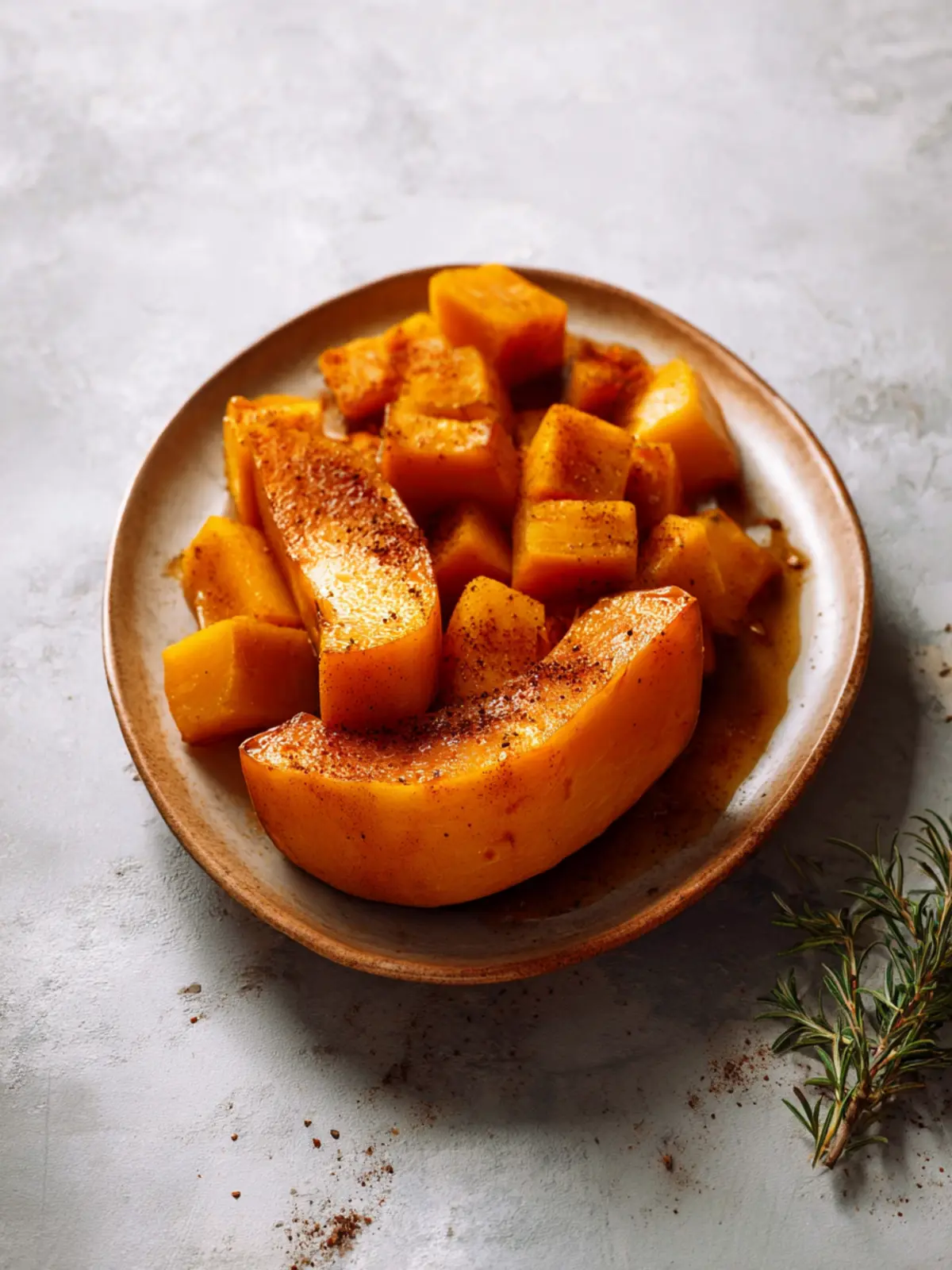
Maple Roasted Butternut Squash: Easy & Irresistibly Sweet

Introduction to Maple Roasted Butternut Squash
Imagine a golden-hued, maple roasted butternut squash dish emerging from your oven, filling your kitchen with a warm, inviting aroma that beckons friends and family to the dinner table. This vibrant fall favorite isn’t just a side— it’s the star of the meal. When you take that first bite, the natural sweetness of the butternut squash, paired perfectly with that rich hint of maple syrup and a touch of salt, creates a flavor explosion that delights the senses.
What makes maple roasted butternut squash so irresistible? First, let’s talk about the squash itself. Butternut squash is not only packed with vitamins A and C, but its creamy texture and naturally sweet flavor make it an excellent canvas for roasting. When you roast butternut squash, the natural sugars caramelize beautifully, enhancing its inherent sweetness and creating crispy edges that complement its tender core.
Furthermore, the addition of maple syrup elevates this dish to new heights. Maple syrup contributes a rich, complex sweetness that balances the savory notes of the squash. It’s a delightful way of embracing the beauty of seasonal flavors, especially as the cool weather invites us to reconnect with cozy home-cooked meals.
And let’s not forget about the nutritional benefits. Butternut squash is low in calories yet high in fiber, making it a filling addition to any meal. Whether you’re serving it as a side dish or incorporating it into salads and grain bowls, maple roasted butternut squash makes health-conscious eating enjoyable and satisfying.
Plus, it’s incredibly easy to prepare! Tossing the cubes of squash with a drizzle of maple syrup, olive oil, and a pinch of salt before roasting creates a stunning dish that looks as good as it tastes. Grab a fork and dive into a dish that captures the essence of fall in every bite. This recipe is not just about cooking; it’s about creating moments and memories around the table, ensuring flavor and joy blend seamlessly in your culinary journey.
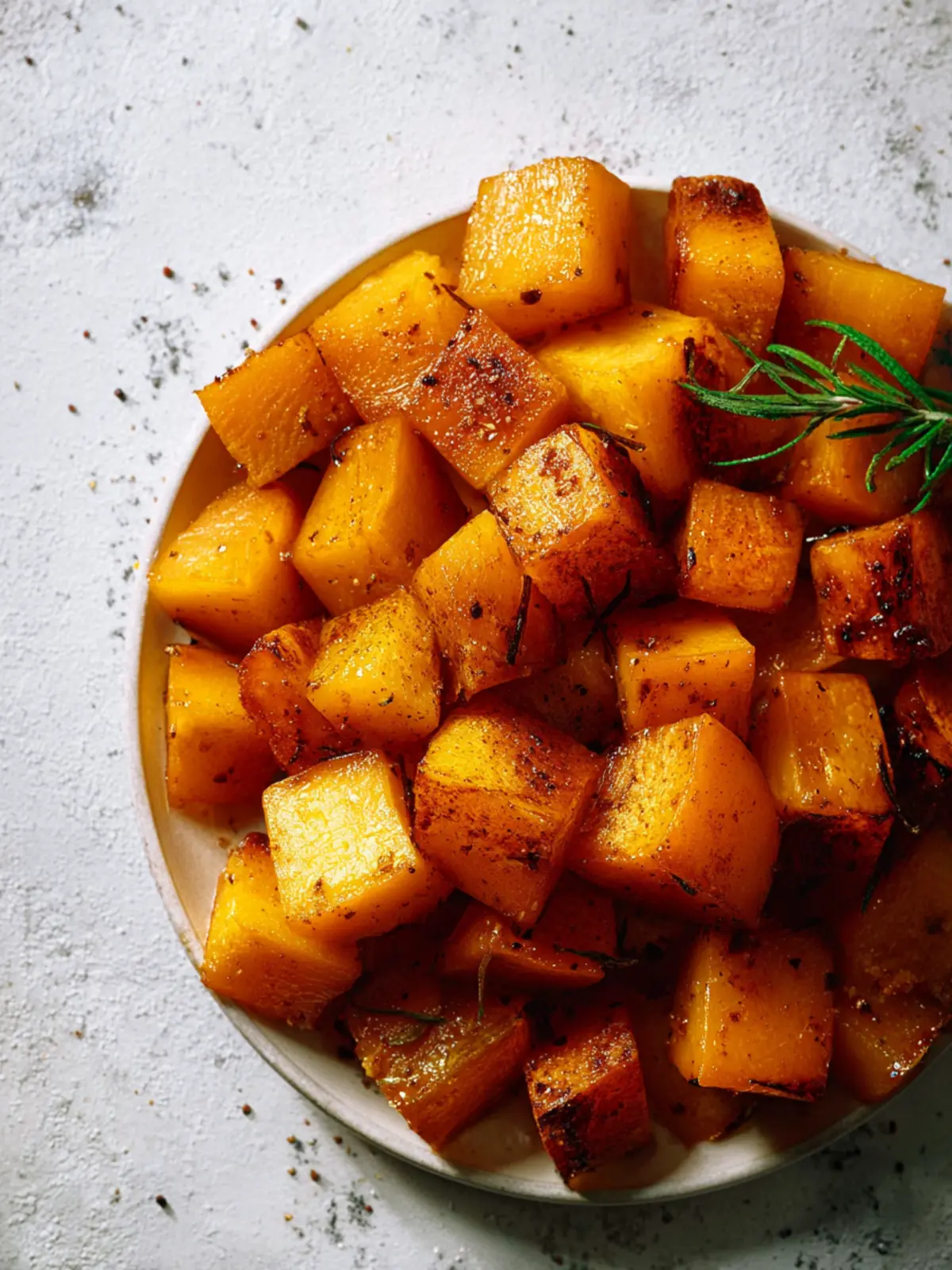
Key Ingredients for Maple Roasted Butternut Squash
Butternut Squash: The star of this dish is undoubtedly butternut squash. This sweet, creamy vegetable is not only delicious but also a nutritional powerhouse rich in vitamins A and C. Roasting it brings out its natural sweetness, perfectly complementing the savory spices you’ll use.
Olive Oil: A drizzle of high-quality olive oil is essential. It not only enhances the flavor of the dish but also helps achieve that coveted crispy exterior. Opt for extra virgin olive oil to capture the best taste and aroma.
Pure Maple Syrup: When it comes to achieving that rich sweetness, nothing compares to pure maple syrup. This natural sweetener caramelizes beautifully while roasting, coating the squash in a delightful glaze that elevates every bite.
Cinnamon: To add depth and warmth, I always incorporate a touch of cinnamon. Its warm notes enhance the flavor profile and balance the sweetness of the squash, making it essential for a comforting dish.
Salt and Pepper: Never underestimate the power of salt and pepper. These staples amplify the natural flavors of your ingredients, so don’t skip this important step!
Why You’ll Love This Recipe
When you dive into the world of maple roasted butternut squash, you’re not just making a dish—you’re embracing the cozy warmth of autumn and the joy of seasonal cooking. Picture this: colorful leaves crunching underfoot, a cool breeze, and a warm kitchen bubbling with delightful aromas. This recipe does more than satisfy your hunger; it crafts moments of togetherness and comfort around the dinner table.
A Symphony of Flavors
The sweetness of maple syrup perfectly enhances the natural nuttiness of butternut squash, creating a dish that’s both satisfying and full of flavor. The caramelization that occurs during roasting gives this recipe a delectable texture, turning each bite into a delightful experience. It pairs beautifully with savory courses or makes a fantastic side for holiday feasts.
Nutrient-Packed Goodness
Not only does maple roasted butternut squash taste incredible, but it’s also packed with nutrients. Butternut squash is rich in vitamins A and C, providing a boost to your immune system while keeping your skin glowing. Maple syrup offers antioxidants that contribute to your overall health.
Perfect for Any Occasion
Whether you’re enjoying a simple weeknight dinner or prepping for a festive gathering, this recipe brings a touch of elegance and comfort to any meal. The ease of preparation makes it a go-to choice for busy weekdays, while its rich flavors elevate it for special occasions. You’ll soon find yourself craving this dish season after season!
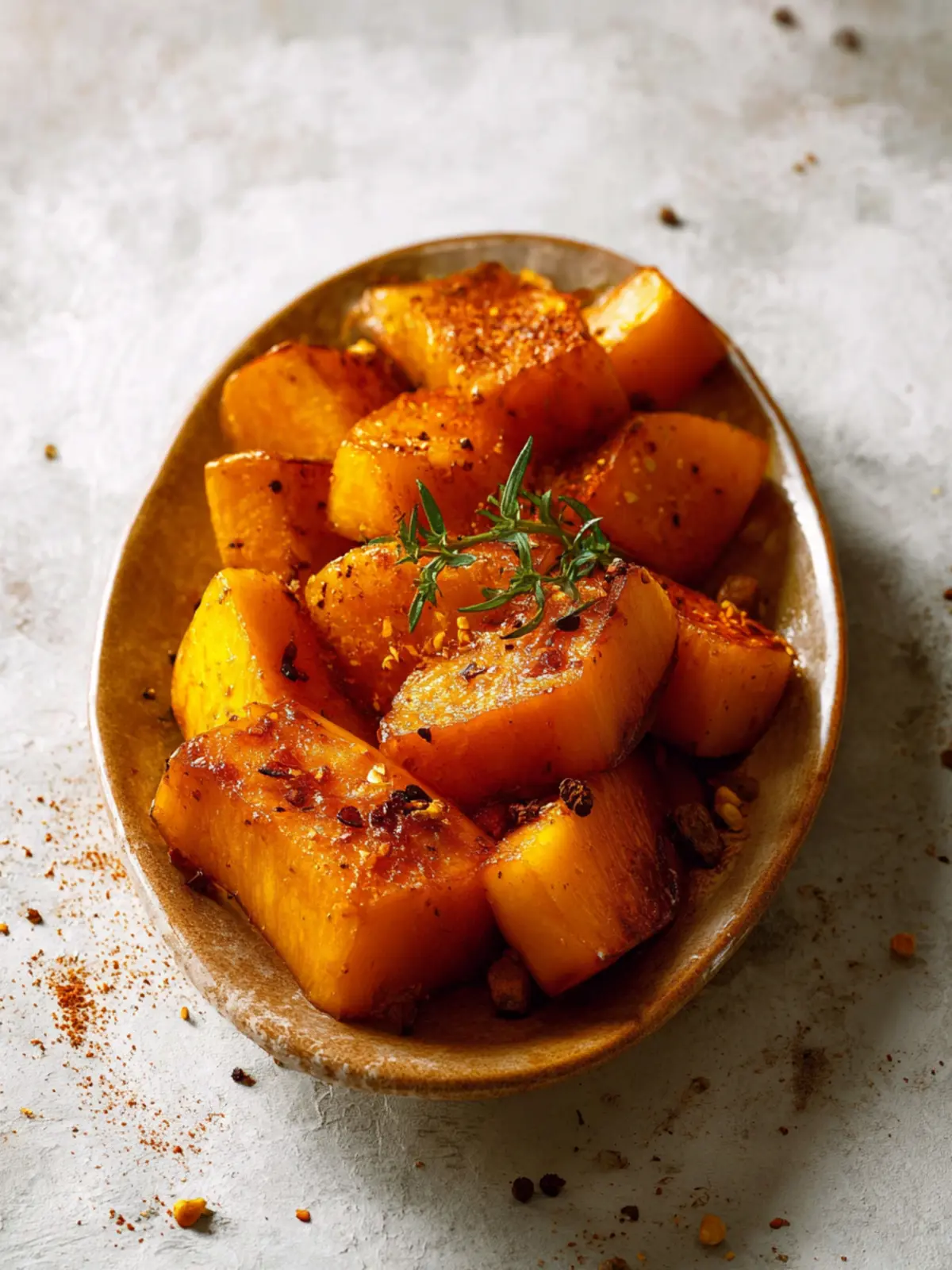
Variations on Maple Roasted Butternut Squash
The charm of maple roasted butternut squash lies in its versatility, making it a wonderful dish to experiment with. You can easily tweak this recipe to suit your palate or elevate your dining experience!
Exploring Different Sweeteners
While maple syrup is a classic choice, you could shake things up with alternative sweeteners. Try honey for a floral note or agave syrup for a milder sweetness. If you’re keen on reducing sugar, a touch of stevia can also add that sweet kick without the calories.
Add-ins for Extra Flavor
To create a flavor explosion, consider adding in nuts like pecans or walnuts for crunch. Fresh herbs such as rosemary or thyme introduce an aromatic freshness, while spices like cayenne can provide a delightful heat. Crumbled feta or goat cheese also pairs beautifully, adding a creamy texture.
Serving Suggestions with Other Dishes
Pair your maple roasted butternut squash with roasted chicken or pork for a hearty meal. It can also complement a quinoa salad or grain bowl, enhancing your plate’s color and flavor. Serve it warm as a side, or enjoy it cold in a salad for a unique twist!
Cooking Tips and Notes
In the world of maple roasted butternut squash, small details can elevate a simple dish into something extraordinary. Let’s dive into some practical tips that will help you master this delicious recipe!
How to Pick the Right Butternut Squash
Selecting the perfect butternut squash is essential for flavor and texture. Look for squash that’s:
- Firm and heavy for its size, indicating ripeness.
- Free of soft spots or blemishes, which can indicate spoilage.
- The color should be a deep, tan hue; avoid any squashes with green patches.
Once you’ve found the right one, you’re on your way to a tasty dish!
Best Roasting Techniques
To achieve that golden, caramelized exterior with tender insides, follow these roasting tips:
- Preheat your oven to around 400°F (204°C) for optimal caramelization.
- Cut the squash into uniform pieces for even cooking; aim for about 1-inch cubes.
- Toss the pieces with a light touch of oil and a generous drizzle of maple syrup to enhance sweetness.
This technique allows the natural sugars to intensify, giving you that deliciously savory-sweet maple roasted butternut squash flavor.
Storing Leftovers and Reheating
If you find yourself with leftovers (which might be a stretch since it’s so good!), store your squash in an airtight container in the fridge. It can last up to 3 days. When you’re ready to enjoy it again, reheat in a 350°F (175°C) oven for about 10-15 minutes, or simply warm it in the microwave. This will help retain the delightful texture and taste you’ve worked so hard to achieve!
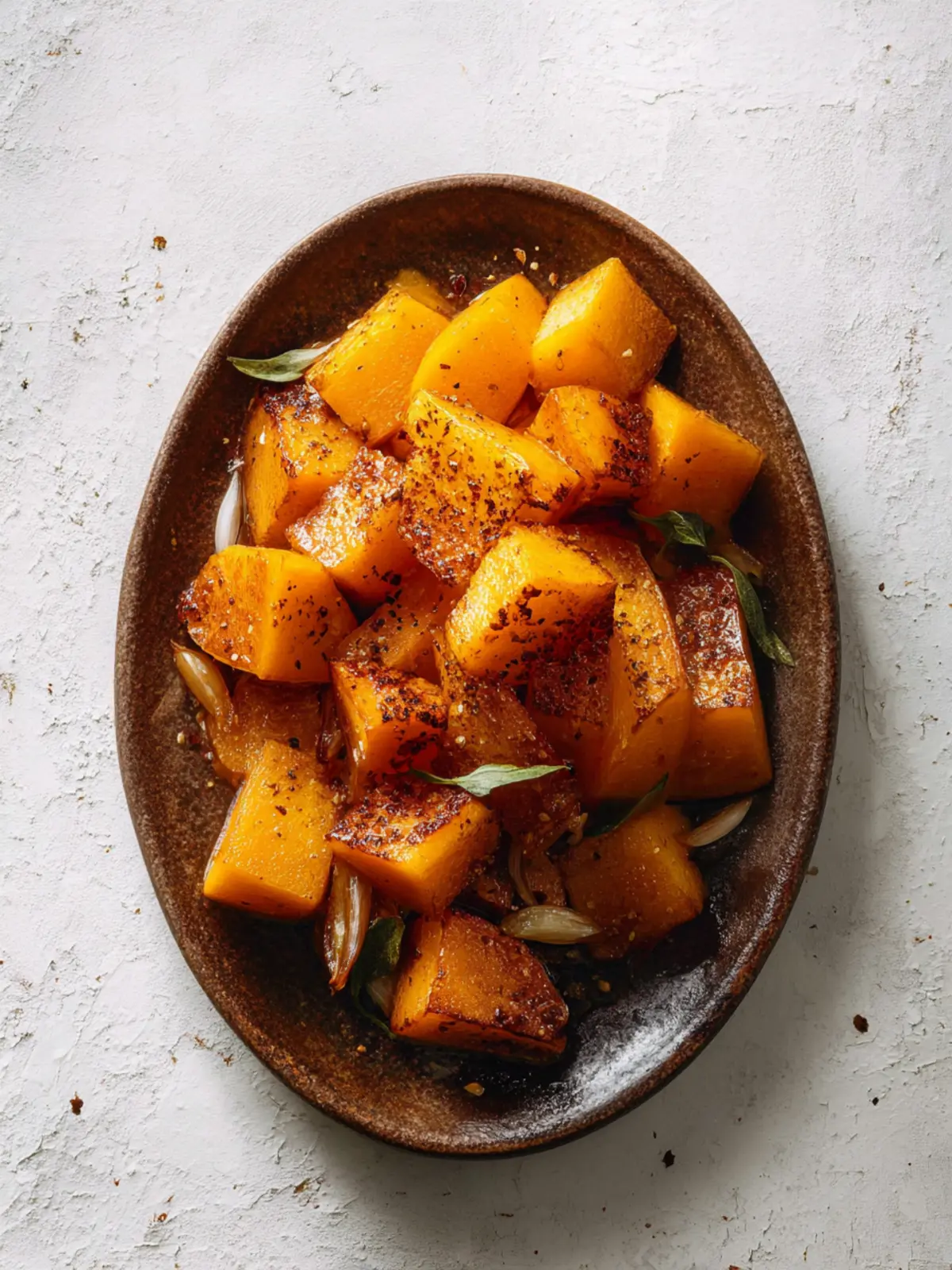
Serving Suggestions for Maple Roasted Butternut Squash
There’s something truly comforting about maple roasted butternut squash, with its sweet and earthy notes perfectly caramelized to create a heavenly dish. This versatile ingredient can elevate a variety of meals.
Pairing with Protein
To create a well-rounded meal, consider pairing your maple roasted butternut squash with grilled chicken or roasted turkey. The sweetness of the squash complements savory flavors beautifully, making for a balanced dinner plate. Alternatively, for a vegetarian option, serve it alongside black bean burgers or grilled halloumi cheese for a hearty touch.
Using in Salads
Imagine the delightful burst of flavor when you toss maple roasted butternut squash into a fresh salad. It works beautifully with arugula or spinach, tossed with goat cheese, pecans, and a balsamic vinaigrette. This combination not only looks beautiful but also provides a delicious harmony of textures and tastes.
Incorporating into Side Dishes
Don’t forget that maple roasted butternut squash can shine as a side dish. Try serving it alongside your favorite grain, like quinoa or farro, for a colorful and nutritious addition to any meal. A sprinkle of feta and a drizzle of olive oil will elevate it further, making your dinner irresistible.
These ideas will elevate your culinary game while showcasing the versatility of maple roasted butternut squash.
Time Breakdown for Maple Roasted Butternut Squash
When you think about cozy fall flavors, nothing quite captures the essence like maple roasted butternut squash. This delightful dish is not only a treat for the palate but also a breeze to prepare in your kitchen. Here’s how your time will break down:
Preparation Time
Getting everything ready for your maple roasted butternut squash takes about 10-15 minutes. You’ll chop, peel, and toss the squash with maple syrup and spices—all fun and quick tasks!
Cooking Time
Once your oven is preheated, the magic happens in just 25-30 minutes. As the squash caramelizes, the sweet aroma wafts through your kitchen, promising a delicious outcome.
Total Time
In just around 40-45 minutes, you’ll go from fresh squash to a warm, vibrant dish bursting with flavor. It’s an ideal companion to any meal or a sumptuous side at gatherings!
Nutritional Facts for Maple Roasted Butternut Squash
When you savor maple roasted butternut squash, you’re enjoying not just a delicious dish but also a nutrient-packed option that brings warmth and comfort to your table. Let’s break down the nutritional profile to see what makes this dish both satisfying and wholesome.
Calories
Maple roasted butternut squash is a low-calorie delight, averaging around 80 calories per serving, making it a perfect side dish for any meal without guilt.
Carbohydrates
This dish primarily consists of carbohydrates, with approximately 20 grams per serving. These carbs are predominantly healthy complex carbs, which provide a steady energy source.
Fiber
With about 4 grams of fiber in each serving, maple roasted butternut squash is an excellent choice for promoting digestive health and keeping you feeling full longer. Embrace the comforting goodness while nourishing your body!
FAQs about Maple Roasted Butternut Squash
When it comes to maple roasted butternut squash, it’s hard not to imagine a cozy kitchen filled with sweet, caramelized aromas wafting through the air. Whether you’re planning a festive dinner or simply want a weeknight side dish, this recipe will certainly warm your heart and your taste buds. Below are some frequently asked questions that can help ensure your cooking experience is as smooth as possible.
Can I use other squashes for this recipe?
Absolutely! While butternut squash is a popular choice for its natural sweetness and creamy texture, feel free to experiment. Acorn squash and delicata squash also work wonderfully with the maple syrup glaze. Just remember, different squashes may require slight adjustments in cooking time due to their size and moisture content, so keep an eye on them as they roast.
How do I know when the squash is fully roasted?
The key indicators that your maple roasted butternut squash is ready include tender flesh and a slightly caramelized exterior. Pierce a cube with a fork; it should slide in easily. Additionally, look for a golden-brown color around the edges, which signals perfect roasting. When in doubt, a taste test is always a foolproof method!
Can I prepare this dish ahead of time?
Preparing your maple roasted butternut squash in advance is definitely feasible! You can chop and toss the squash with olive oil and maple syrup a day ahead and store it in the fridge. When you’re ready to eat, just pop it in the oven. If you have leftovers, they also taste fantastic the next day, either warm or cold in salads.
Incorporating these tips will take your maple roasted butternut squash from good to spectacular, making it a dish you’ll want to repeat!
Conclusion on Maple Roasted Butternut Squash
In the world of seasonal dishes, maple roasted butternut squash stands out as a nourishing and vibrant choice. The combination of sweet maple syrup and earthy butternut squash creates a delightful harmony that is not only tempting to the taste buds but also a feast for the eyes. With minimal effort and simple ingredients, this recipe allows anyone, regardless of culinary skill, to create a comforting dish that pairs well with anything from stuffed proteins to fresh salads.
Don’t hesitate to make this recipe your own by experimenting with spices or garnishes. You’ll find that maple roasted butternut squash becomes a staple in your kitchen, embodying warmth and flavor all season long. Enjoy every tasty bite!
Print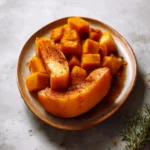
Roasted Butternut Squash
- Total Time: 35 minutes
- Yield: 4 servings 1x
- Diet: Vegetarian
Description
A delicious roasted butternut squash recipe with a hint of maple syrup and cinnamon.
Ingredients
Scale
- 6 cups cubed butternut squash
- 1 Tablespoon olive oil
- 2 Tablespoons pure maple syrup
- ¼ teaspoon cinnamon
- salt and pepper, to taste
Instructions
- Preheat oven to 400℉.
- Line a baking sheet with foil, parchment paper or spray with nonstick cooking spray.
- Spread squash in an even layer on prepared pan and drizzle on olive oil and maple syrup.
- Sprinkle cinnamon, salt and pepper on top.
- Toss squash with hands until completely coated in oil, syrup and seasonings.
- Bake for 20-25 minutes or until squash is golden brown on the outside.
Notes
- This roasted butternut squash can be served as a side dish or added to salads.
- Prep Time: 10 minutes
- Cook Time: 25 minutes
- Category: Side Dish
- Method: Baking
- Cuisine: American
Nutrition
- Serving Size: 1 cup
- Calories: 150
- Sugar: 5g
- Sodium: 150mg
- Fat: 7g
- Saturated Fat: 1g
- Unsaturated Fat: 5g
- Trans Fat: 0g
- Carbohydrates: 25g
- Fiber: 4g
- Protein: 2g
- Cholesterol: 0mg