Follow Me On Social Media!

How to Make Custard: The Creamy Indulgence You’ll Crave

Introduction to Custard
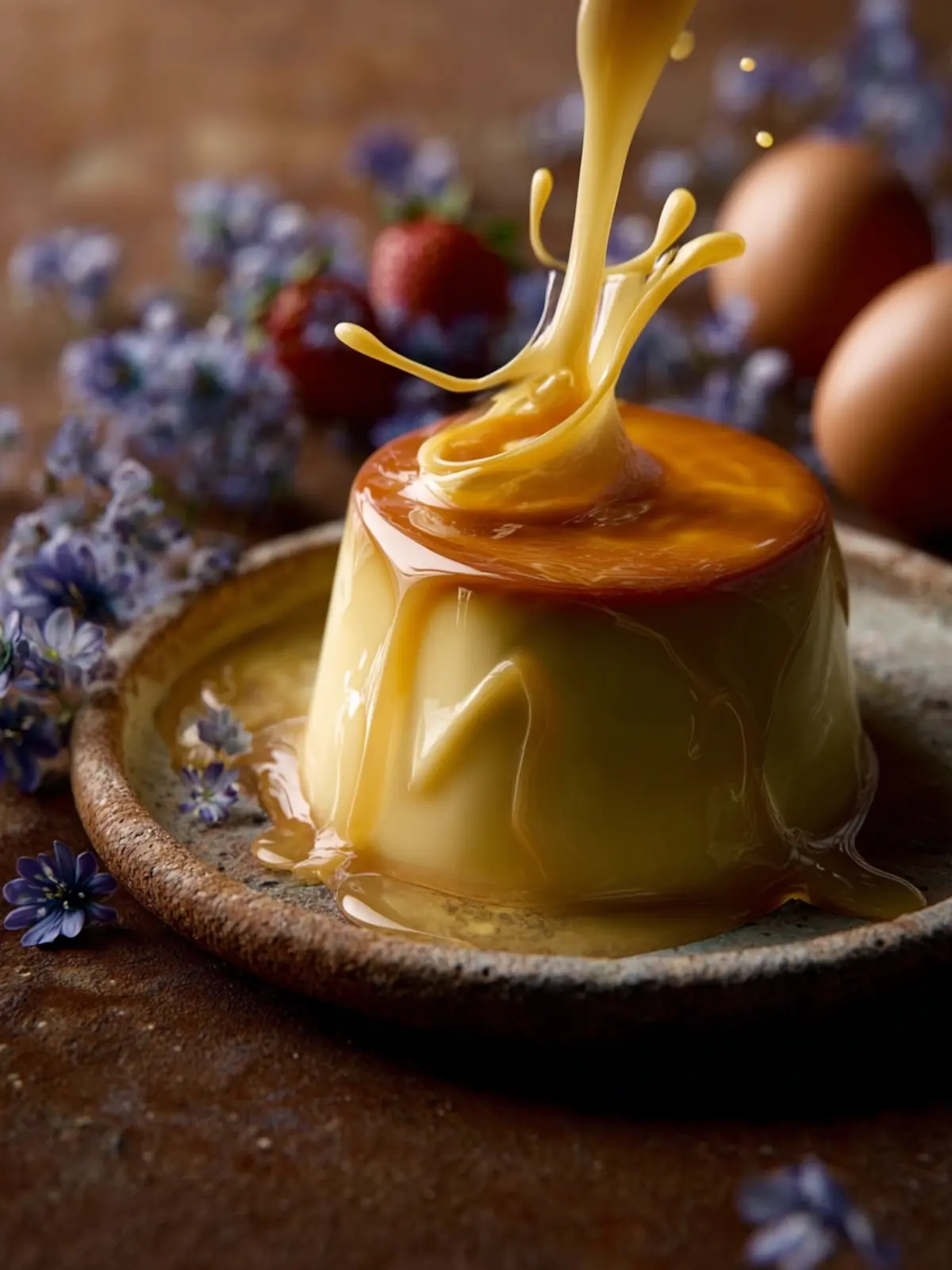
There’s something truly magical about custard—it’s more than just a sweet treat; it’s a comforting classic that has delighted generations. Picture this: a warm kitchen, the sweet aroma of vanilla wafting through the air, and a rich, creamy texture waiting just for you. This beloved dessert has crossed time and trends, gracing tables from traditional family dinners to modern-day brunches.
Custard made its first appearance in medieval European kitchens and has since evolved into numerous variations, appealing to every palate. Whether enjoyed on its own, used as a filling, or as an accompaniment to other desserts like pies or cakes, custard boasts versatility that many desserts can only dream of. It can be creamy and smooth, or light and airy, and there’s a custard recipe to suit everyone’s preferences.
As we delve into this delightful recipe, you’ll discover that making custard isn’t just an art; it’s a science. Simple ingredients come together to create that luscious, velvety texture that makes custard so special. You’ll need just a handful of staples—eggs, milk, sugar, and flavorings—to create your perfect batch.
The beauty of learning how to make custard lies in its simplicity and the exciting possibilities that await you. Imagine stirring together egg yolks and sugar, watching them transform into a silky mixture that thickens beautifully when combined with warm milk. It’s akin to witnessing a culinary metamorphosis right in your kitchen.
If you’ve ever wondered why so many people rave about custard, let me tell you a secret: it’s all about the balance of flavors and textures. Each spoonful offers a comforting hug, making it a go-to for life’s celebrations, from birthdays to quiet evenings at home. As we embark on this custard-making journey, get ready to impress your friends and family with your newfound skills, or perhaps indulge in a little self-care as you savor every creamy bite.
Key Ingredients for Custard
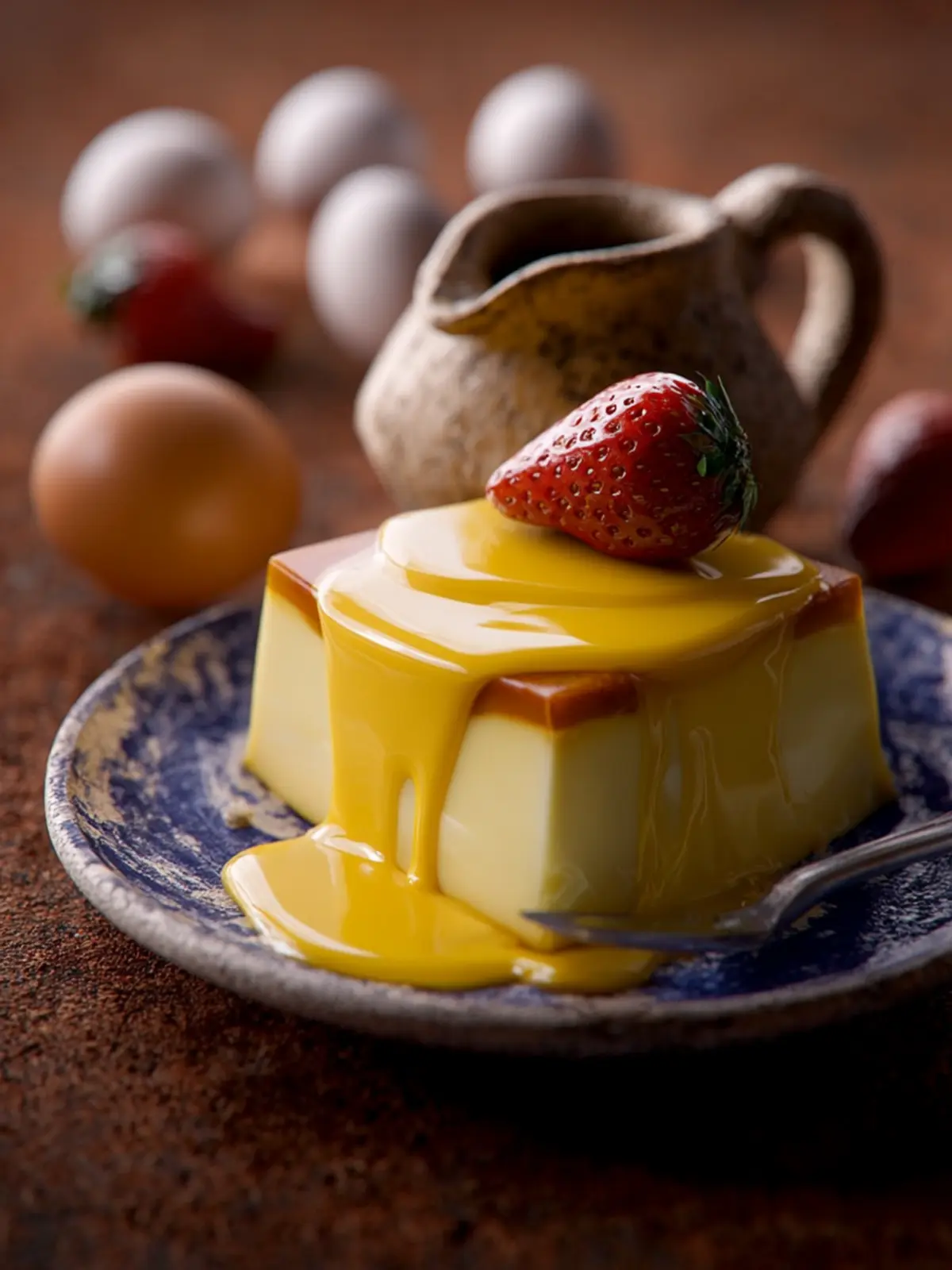
When you dive into the delightful world of custard, choosing the right ingredients ensures you create a silky, satisfying treat. Each component plays a crucial role in achieving that luscious texture we all crave.
-
Eggs: The backbone of any custard, eggs provide richness and help achieve that creamy consistency. For best results, use fresh, large eggs. Separating the yolks from the whites can also give you more control over your custard’s texture.
-
Sugar: Granulated sugar sweetens your custard perfectly without overpowering it. It dissolves well, ensuring a smooth mixture that creates a harmonious balance of flavors.
-
Milk: Whole milk is my go-to for custard, delivering creaminess without being too heavy. You can experiment with half-and-half for an even richer experience or use alternatives like almond milk for a lighter version.
-
Vanilla Extract: This ingredient infuses your custard with inviting warmth and depth. I recommend using pure vanilla extract for the best flavor—it’s worth it!
With these key ingredients in hand, you’ll be well-equipped to master how to make custard that’s not just good but simply irresistible.
Why You’ll Love This Custard
A versatile classic for any meal
Every time I think about how to make custard, I’m reminded of cozy evenings spent in the kitchen, where sweet aromas weave through the air, inviting everyone to gather around the table. Custard is that magical dessert that can be dressed up or down; its versatility truly knows no bounds.
Whether you’re indulging in a warm bowl of vanilla custard topped with fresh berries or using it to elevate a slice of pie, this classic custard recipe will delight your taste buds. The velvety texture and rich flavor make it a perfect complement to both savory and sweet dishes.
- Goes well with desserts: From trifles to tarts, custard can be the star of various desserts.
- Accompanies breakfast: Pour it over French toast or pancakes for a delightful twist that will impress anyone you serve.
- Simply elegant: Its simplicity allows it to shine on its own; a sprinkle of nutmeg or cinnamon can enhance its character beautifully.
Finding a go-to custard recipe is essential for any home cook. It not only brings warmth to your gatherings but also allows you to get creative in the kitchen. Once you master the art of custard, you’ll find countless ways to enjoy this timeless treat!
Tips for Making Perfect Custard
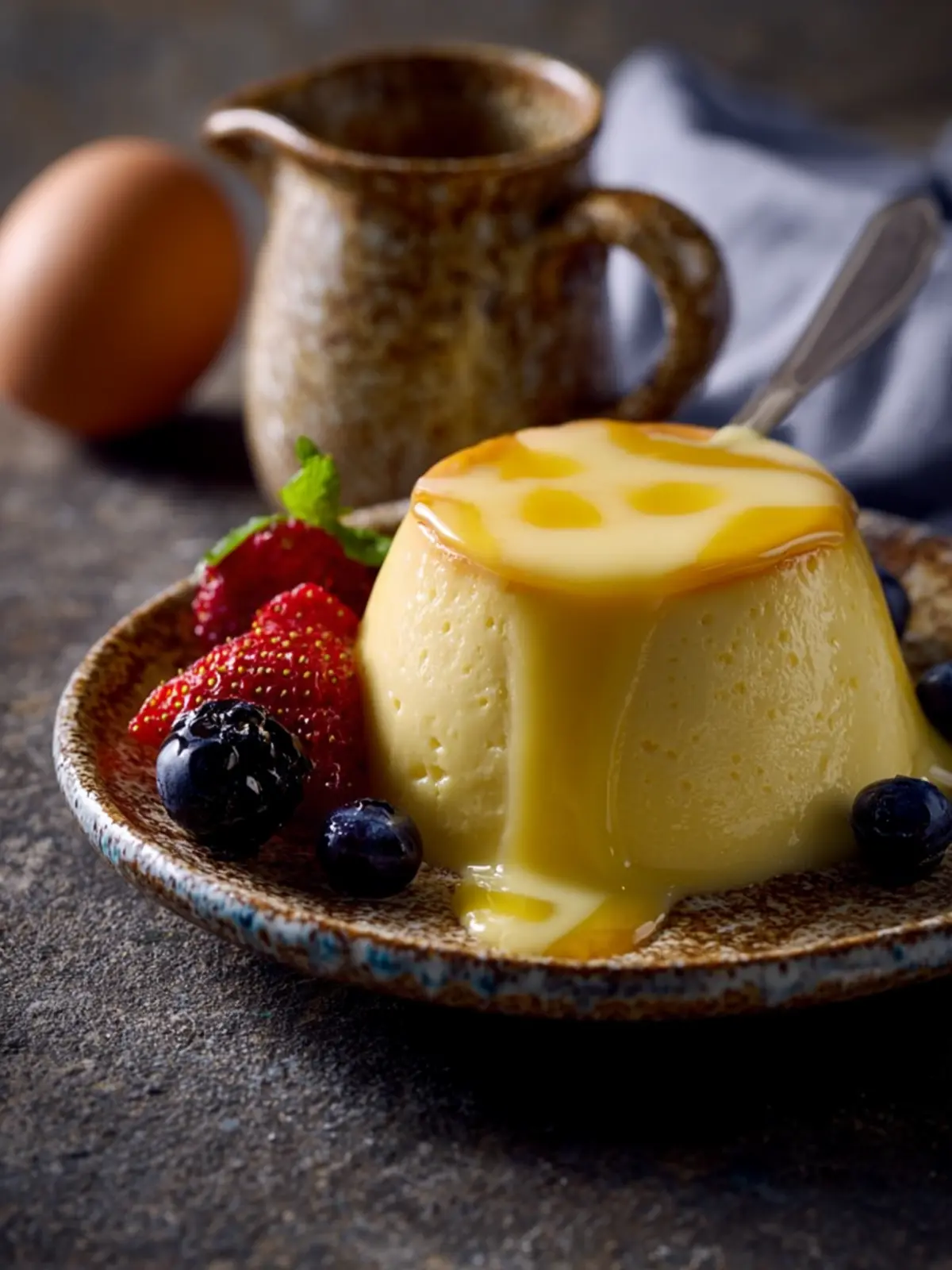
Creating perfect custard is a beautiful culinary challenge, and along the way, you’ll discover delightful tips that make the process easier and more enjoyable. Here are some key techniques for achieving a smooth, luscious texture.
Key Techniques for a Smooth, Luscious Texture
-
Choose the Right Eggs: The richness of your custard largely stems from the eggs. Free-range or organic eggs not only taste better but also contribute to a vibrant color and a luxurious texture.
-
Temper the Eggs: One of the crucial steps in how to make custard is tempering your eggs. Slowly drizzle hot milk into the beaten yolks while whisking constantly. This technique ensures your eggs won’t scramble, keeping your custard silky.
-
Be Mindful of Heat: Cooking your custard over low to medium heat is essential. High temperatures can lead to curdling. A double boiler or a heavy-bottomed saucepan can help maintain even heat distribution.
-
Strain for Perfection: After cooking, straining your custard through a fine sieve removes any unwanted bits and ensures a satin-like smooth finish.
-
Cool Slowly: Allowing the custard to cool gently at room temperature prevents the formation of a skin on the surface. If you need to cool it quickly, cover it with plastic wrap directly on the custard to avoid that pesky skin.
By employing these techniques, you’ll soon be on your way to mastering the art of custard-making!
Time Details for Custard
Creating custard at home is a rewarding endeavor that transforms simple ingredients into a delightful dessert. The time you spend preparing this dish is part of the magic, unfolding before your eyes as the velvety custard comes together.
Preparation time
The preparation time for custard is approximately 10-15 minutes. This includes gathering your ingredients, separating the eggs, and mixing everything together. Take your time to ensure all components are blended smoothly, as this sets the stage for a creamy custard.
Cooking time
The cooking time spans around 20 minutes on the stovetop. You’ll want to keep a close eye on the custard as it cooks. Stirring continuously helps maintain an even texture and prevents any scorching.
Total time
In total, you should plan for about 30-35 minutes to make custard. From preparation to cooking, the hours spent are richly rewarded with a luxurious dessert that can elevate any meal.
Nutritional Information for Custard
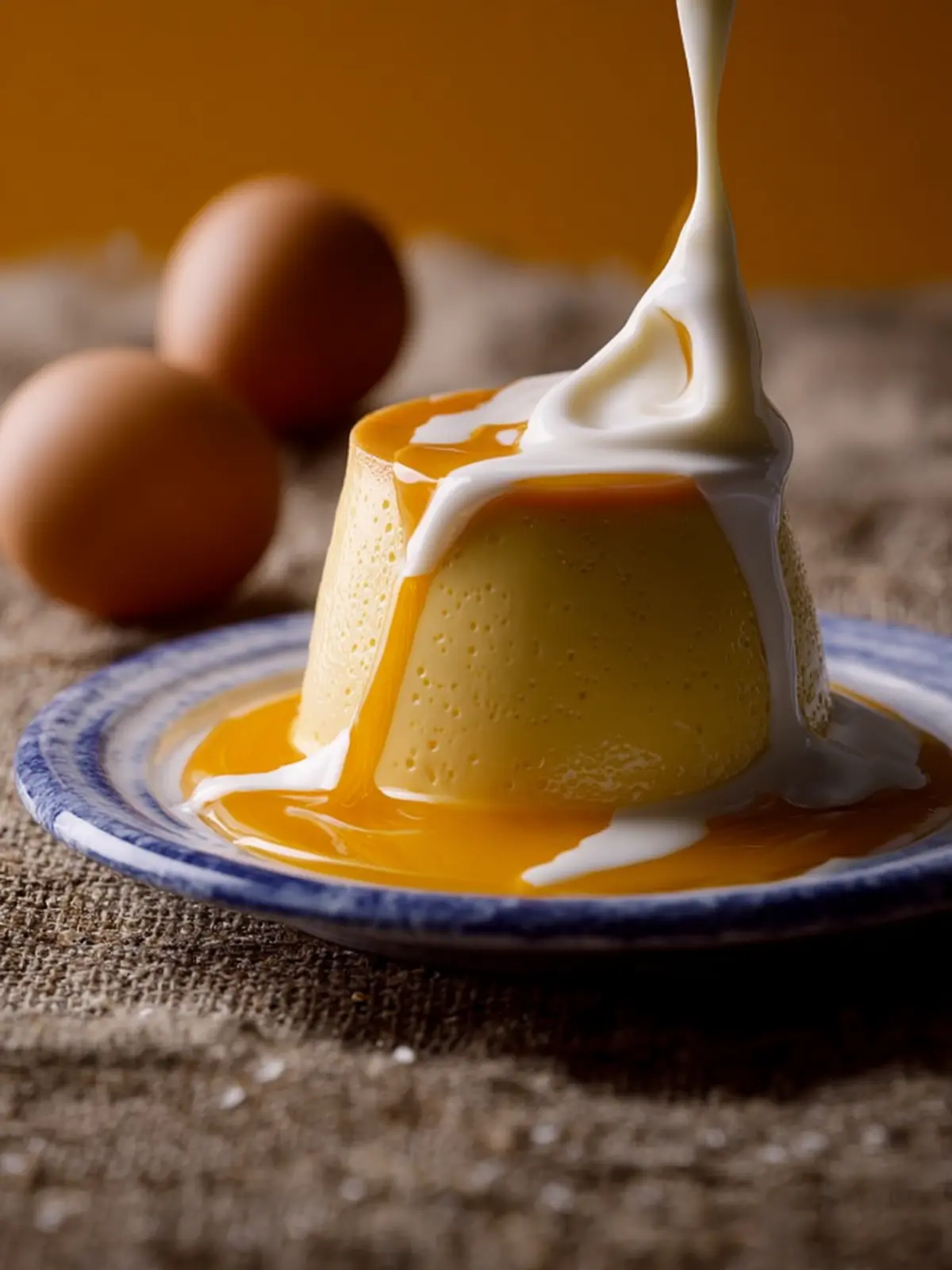
Understanding the nutritional aspects of custard can enhance your cooking experience and inform your choices as you learn how to make custard. This classic dessert not only satisfies your sweet tooth but also provides essential nutrients, making it a delightful treat in moderation.
Calories
Custard typically contains around 130-150 calories per serving, depending on the recipe and portion size. This makes it a calorie-conscious dessert option when enjoyed occasionally.
Protein
With about 4-6 grams of protein per serving, custard can contribute to your daily protein intake, thanks largely to its eggs and milk content. This protein can help you feel fuller and more satisfied after dessert.
Sugar
A standard serving of custard usually contains 10-15 grams of sugar. While this makes it taste deliciously sweet, keep in mind that you can adjust the sugar level according to your taste preferences and health considerations.
FAQs about Custard
Making custard can be a delightful experience, but it often comes with its share of questions! Whether you’re a first-timer or someone looking to perfect their technique, I’m here to help clarify everything you need to know.
How can I avoid scrambling the eggs?
Scrambling the eggs in your custard is a common concern, but there’s a simple trick to prevent this: tempering. Start by whisking your eggs in a bowl, then gradually add a small amount of the hot milk mixture, whisking continuously. This step warms the eggs slowly, reducing the chance of cooking them too quickly. Once the egg mixture is warm, you can gradually whisk it back into the rest of the milk mixture. This method creates a smooth, velvety custard without any unsightly clumps.
What’s the best way to store leftover custard?
If you find yourself with leftover custard, don’t fret! Store it in an airtight container in the fridge for up to three days. To prevent a skin from forming on the surface, lay plastic wrap directly on top of the custard before sealing the container. When you’re ready to enjoy it again, simply give it a good stir, and if needed, add a splash of milk to loosen it up.
Can I flavor custard in different ways?
Absolutely! One of the best things about learning how to make custard is its versatility. You can infuse flavors by adding vanilla beans, citrus zest, or even a splash of liqueur to the milk before heating it. Spices like cinnamon or nutmeg can also add a lovely warmth, while flavored extracts like almond or coconut are wonderful options for unique twists. Be creative and adapt the flavors to suit your palate!
Conclusion on Custard
Embracing the warmth of homemade custard
There’s something about learning how to make custard that brings a sense of accomplishment and warmth to any kitchen. Those creamy, dreamy results invite you to indulge your taste buds while also sharing a slice of nostalgia with loved ones. Remember, the magic lies not only in the ingredients but also in the process, as you stand over the stove, slowly whisking the mixture to perfection.
Serving homemade custard is not just about the dessert itself; it’s about creating moments of joy. So go ahead – whip up a batch, experiment with flavors, and embrace the sweetness that comes with every spoonful!
Print
Custard Recipe
- Total Time: 25 minutes
- Yield: 4 servings 1x
- Diet: vegetarian
Description
A delicious custard made from cream and milk.
Ingredients
Scale
- 180 ml double (heavy) cream
- 180 ml whole milk (full-fat milk)
- 4 egg yolks (from large eggs)
- 2 tsp cornflour (cornstarch if you’re in the US)
- 3 tbsp caster sugar
- 1 tsp vanilla extract
Instructions
- Heat the cream and milk in a pan until bubbles just start to rise at the edge of the pan (don’t boil it).
- In a jug, mix the egg yolks, cornflour, sugar, and vanilla extract.
- When the cream is hot, pour into the egg mixture in a thin stream whilst stirring (note: stirring, not whisking fast!) with a hand whisk (don’t pour in the milk all at once or it will scramble the eggs).
- Once mixed together, pour back into the pan and continue to stir the custard with a whisk over a medium heat until it thickens.
- If it gets too thick, add a splash of cream.
- Turn off the heat and serve.
Notes
- Make sure not to boil the cream and milk to avoid curdling.
- For best results, serve the custard warm or chilled.
- Prep Time: 10 minutes
- Cook Time: 15 minutes
- Category: Dessert
- Method: stovetop
- Cuisine: French
Nutrition
- Serving Size: 1 cup
- Calories: 245
- Sugar: 12g
- Sodium: 60mg
- Fat: 18g
- Saturated Fat: 10g
- Unsaturated Fat: 6g
- Trans Fat: 0g
- Carbohydrates: 21g
- Fiber: 0g
- Protein: 5g
- Cholesterol: 210mg